Five Signs It's Time to Redesign Your Website
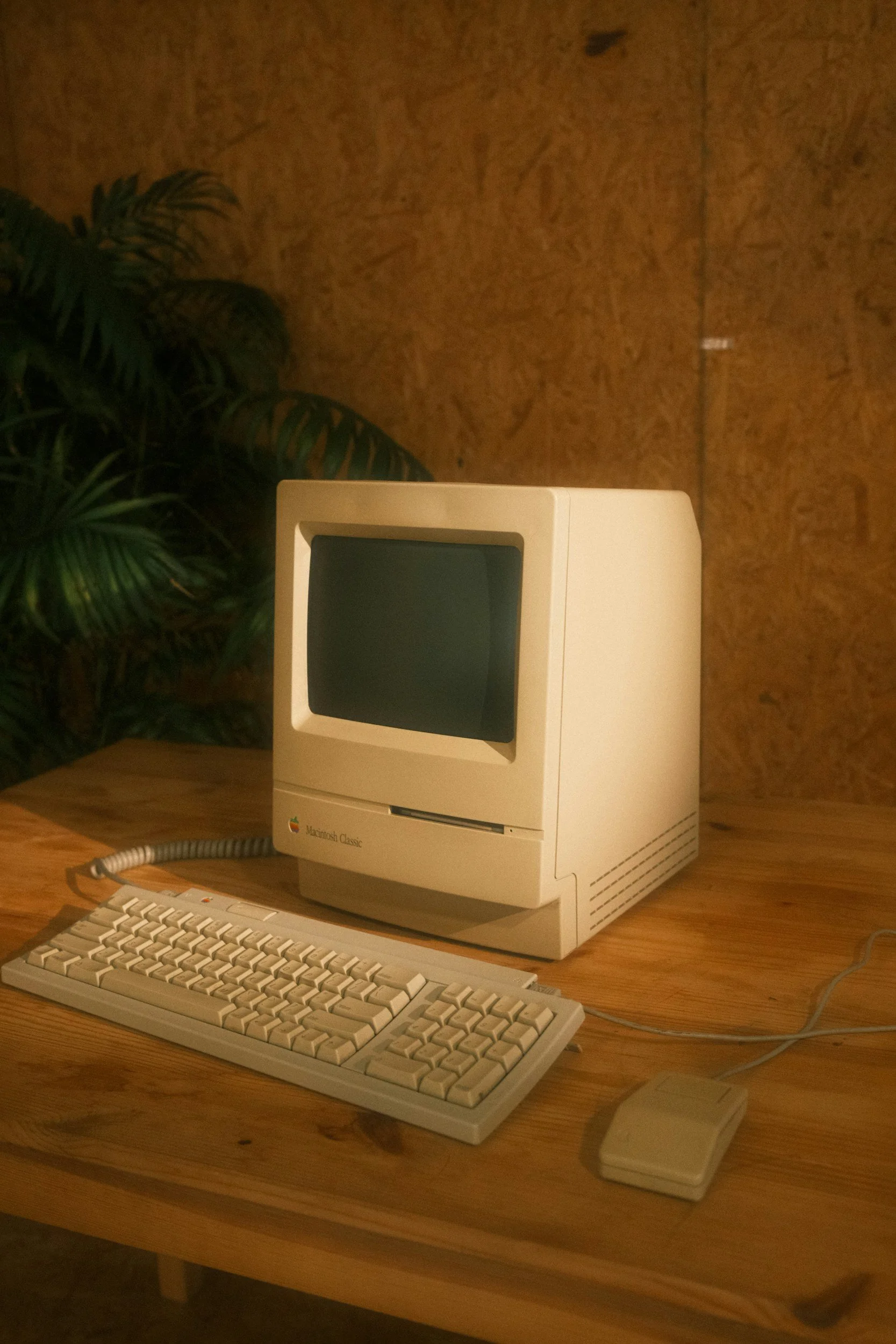
Most business owners don't decide to redesign their website because they suddenly decide it looks bad. They decide because something makes them stop and actually look at it — a client mentions it, a competitor launches something new, or they catch themselves wincing when they hand someone their business card.
The problem is that a website can be quietly costing you customers long before you notice. Here are five signs that yours is overdue a redesign, and what each one is likely costing you.
1. It doesn't work properly on a phone
This is the single most common problem I see with small business websites, and it's the one with the most immediate impact. If your website is difficult to navigate on a mobile — text that's too small to read, buttons that are too close together to tap accurately, content that overflows the screen — you are losing customers every day.
More than 60% of web searches now happen on mobile devices. For local service businesses, that figure is even higher — people searching for a plumber or a restaurant or a physio are almost always doing it on their phone, often while they're out.
A quick test: pull out your phone right now and visit your website. Navigate through it as a new customer would. If anything is annoying, unclear, or difficult, a new visitor will simply leave and look at the next result. They won't email you to let you know.
2. It loads slowly
Attention online is brutally short. Research shows that most visitors will leave a website that takes more than three seconds to load. Not three minutes — three seconds.
A slow website doesn't just lose visitors; it actively damages your Google rankings. Page speed is a confirmed ranking factor, and a site that performs poorly will consistently appear lower in search results than faster competitors, regardless of how good the content is.
If your website was built several years ago, there's a good chance it's carrying dead weight: large uncompressed images, outdated plugins, poorly optimised code. These things accumulate over time and rarely get fixed without deliberate attention.
You can test your website speed for free at pagespeed.web.dev. Anything below 70 on mobile is worth taking seriously. Below 50 needs urgent attention.
3. You're embarrassed to share the link
This one sounds trivial but it's actually quite revealing. If you hesitate before adding your website to your email signature, or you find yourself apologising for it when you share it with someone new, that's important information.
Your website is your most visible piece of marketing. It's the thing people look at when they're deciding whether to trust you with their money. If you don't feel confident about it, potential customers are almost certainly picking up on the same things that make you uncomfortable — even if they can't articulate exactly what's wrong.
Trust your instinct on this one. If you're wincing, it's time.

4. It hasn't been updated in years
A website that was built four or five years ago and hasn't been touched since is sending several signals — none of them positive. To Google, it looks like an abandoned site with no new content to index, which pushes it down the rankings. To visitors, outdated design, old testimonials, or references to services you no longer offer raises questions about whether the business is even still running.
Beyond content, an old website is likely to have security vulnerabilities from outdated software, missing legal pages (GDPR requirements have changed significantly in recent years), and a design that pre-dates the mobile-first shift in how people use the internet.
Refreshing an old website isn't just cosmetic. It's about making sure the foundations are solid and the signals you're sending — to both Google and customers — are current and credible.
5. You have no idea if it's doing anything
If someone asked you right now how many people visited your website last month, which pages they looked at, and how they found you — could you answer? If not, you're flying completely blind.
A website without analytics is a business tool you can't measure. You don't know if it's working, you don't know what's resonating, and you have no way of making informed decisions about it. You're essentially guessing.
Google Analytics 4 and Google Search Console are both free and take about an hour to set up properly. They tell you exactly who's visiting, what they're reading, what search terms they used to find you, and what device they're on. That information is genuinely useful — not just for your website, but for understanding your customers better.
If your current website doesn't have analytics set up, it's worth adding immediately. If it can't support them, that's a sign something more fundamental needs addressing.
What to do if you recognise your website
If two or more of these apply to you, your website is almost certainly costing you more in lost business than a redesign would cost to fix. The question isn't whether to do it — it's when and with whom.
The good news is that a well-built modern website for a small business doesn't need to be complicated or expensive. Clean, fast, mobile-friendly, legally compliant, and set up properly for Google — that's the standard, and it's achievable without an eye-watering agency invoice.
Ready to fix it? Book a free consultation and let's talk about what your website needs.
Book your free consultation via the contact form— no obligation, no jargon, just an honest conversation.