How Craft & Artisan Businesses Can Sell Online Without a Big Marketing Budget
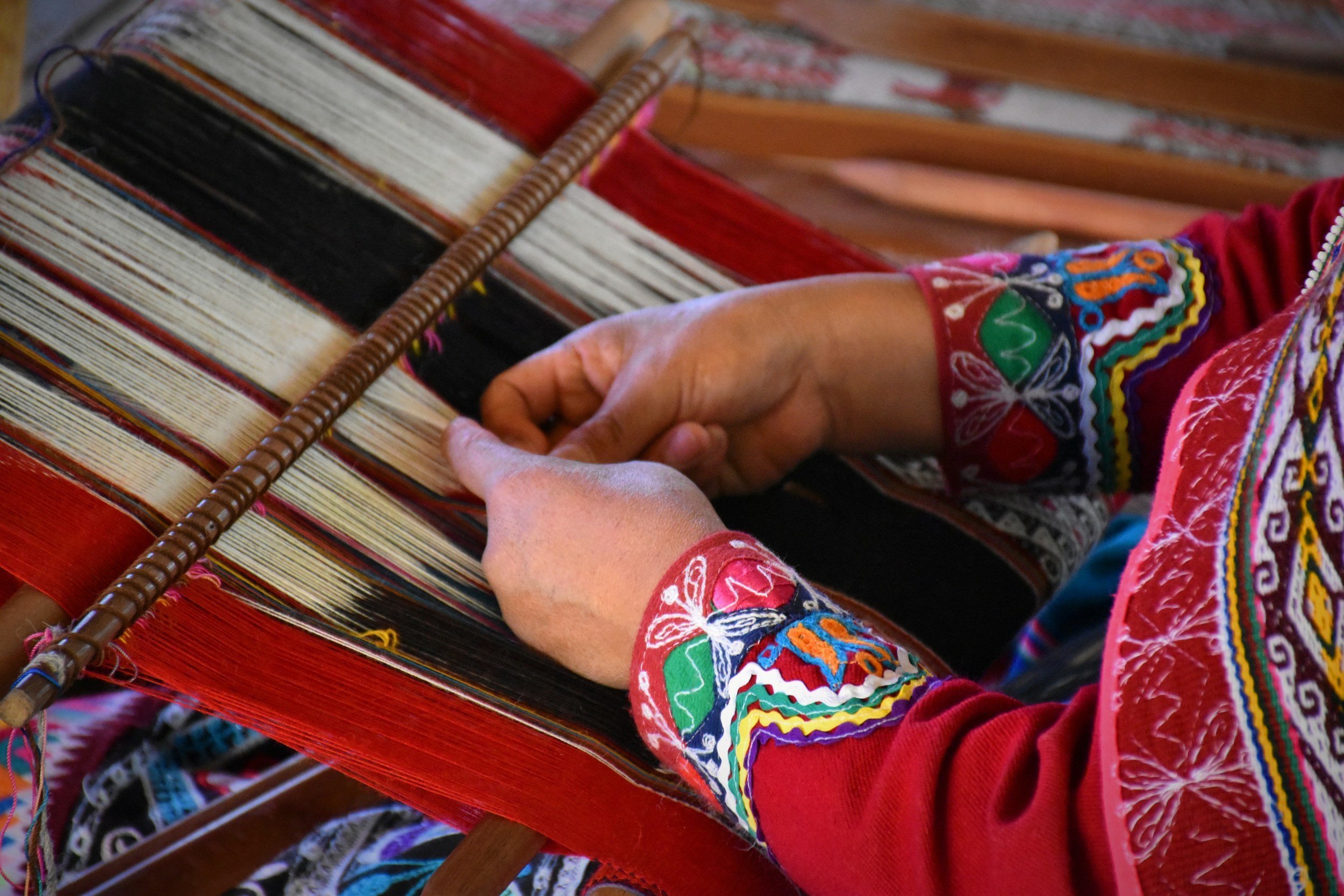
If you make things by hand — furniture, textiles, ceramics, jewellery, or any other craft — you're often competing for attention against mass-produced alternatives with marketing budgets you simply don't have. The good news is that a website doesn't need a big budget to do its job well. It needs to do a few things properly.
Let the work speak for itself
Photography is the single biggest lever for a craft business. Clear, well-lit photos of finished pieces — ideally in use, not just against a plain background — do more to convince a visitor than paragraphs of description ever will. You don't need a professional photographer with expensive kit; you need good natural light, a steady hand, and a few different angles.
Tell people why it's made this way
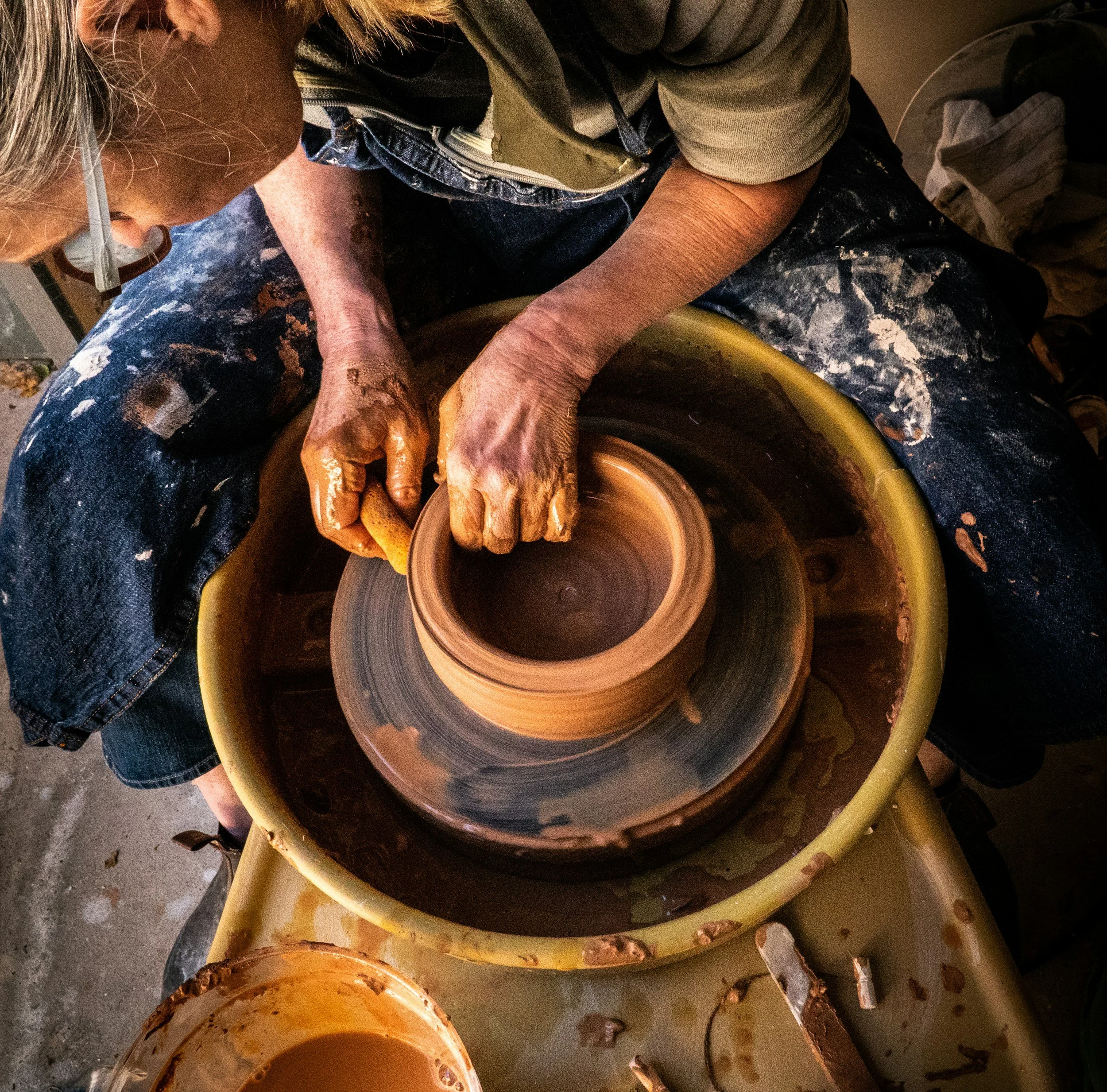
Mass-produced alternatives win on price. Handmade work wins on story: the materials, the process, the time it takes, the skill involved. A short "how it's made" section, even a few honest paragraphs, gives visitors a reason to value what they're looking at rather than simply comparing the price against something cheaper.
Show real examples of past work
A gallery or portfolio of completed pieces, ideally with a line or two about each one, does a lot of the selling for you. It's proof, not just description — and for a craft business, proof of quality matters more than almost anything else you can put on a page.
Make bespoke or made-to-order work easy to enquire about
If pieces are made to order or bespoke, don't leave visitors guessing how the process works. A short, clear explanation — what to expect, rough timescales, how to get a quote — removes the biggest barrier to someone actually getting in touch. As we found working on Bespoke by Braemar's site, a clear "how the process works" section for made-to-order carpentry made a genuine difference to the quality of enquiries coming in.
Use word of mouth properly
Craft businesses tend to earn strong word-of-mouth reputations locally, but that reputation often doesn't make it onto the website. If you have testimonials, reviews, or repeat customers, put them on the site — new visitors don't have the years of local reputation you've already built, so the site has to do that work for them.
You don't need to sell everything online
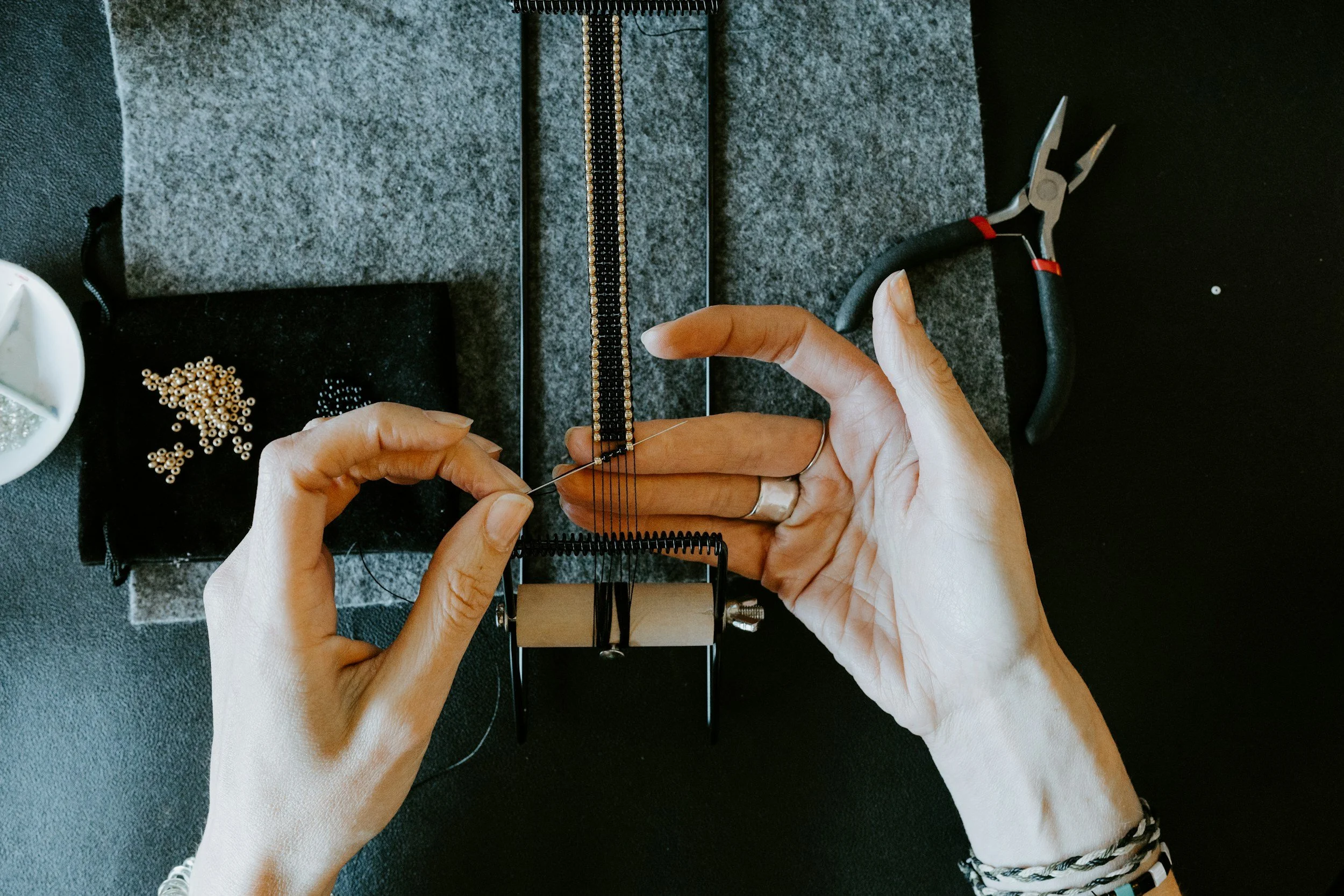
Not every craft business needs a full e-commerce setup. For many, the website's real job is to build enough trust and interest that someone picks up the phone or sends an enquiry — the actual sale can still happen the way it always has.
The real advantage of a small, well-built site:
A big marketing budget buys reach. A well-built website, even a modest one, buys trust — and for craft and artisan businesses, trust is usually the thing that was missing, not visibility.
If you'd like help putting your own work online in a way that actually reflects it, get in touch.
Book your free consultation via the contact form— no obligation, no jargon, just an honest conversation.
This post was written with the assistance of AI