Does My Small Business Actually Need a Website in 2026?

If you're running a small business in the UK right now, chances are you've asked yourself this question at least once. You've got Facebook. You've got Instagram. Maybe a few hundred followers and a steady trickle of enquiries through your DMs. Customers seem to find you. Things are ticking along.
So do you really need a website? It's a fair question — and the honest answer is yes. Not because everyone says so, but because of what's actually happening when someone who doesn't already know you tries to find a business like yours.
What happens when someone searches for you
Think about the last time you needed a tradesperson, a local service, or any business you hadn't used before. You probably did one of two things: asked someone you trust for a recommendation, or typed something into Google.
If you got a recommendation and then Googled the business, what happened next? If they had a professional website, you probably felt reassured. If they had nothing — or a site that looked like it was built in 2009 and doesn't work on your phone — you probably felt a flicker of doubt. Maybe you looked at the next result instead.
That's the moment a website earns its keep. Not the moment someone already knows you. The moment someone is deciding whether to trust you.
But I get most of my work through word of mouth
A lot of small businesses do — and word of mouth is genuinely valuable. But it has a ceiling. The people in your immediate network can only send so many referrals. A website works beyond that ceiling, around the clock, for people who've never heard of you.
And here's the thing: even referrals Google you. Someone tells a friend about you, that friend looks you up, and if they find nothing — or something unprofessional — you've lost a warm lead. A good website doesn't replace word of mouth; it converts it more reliably.
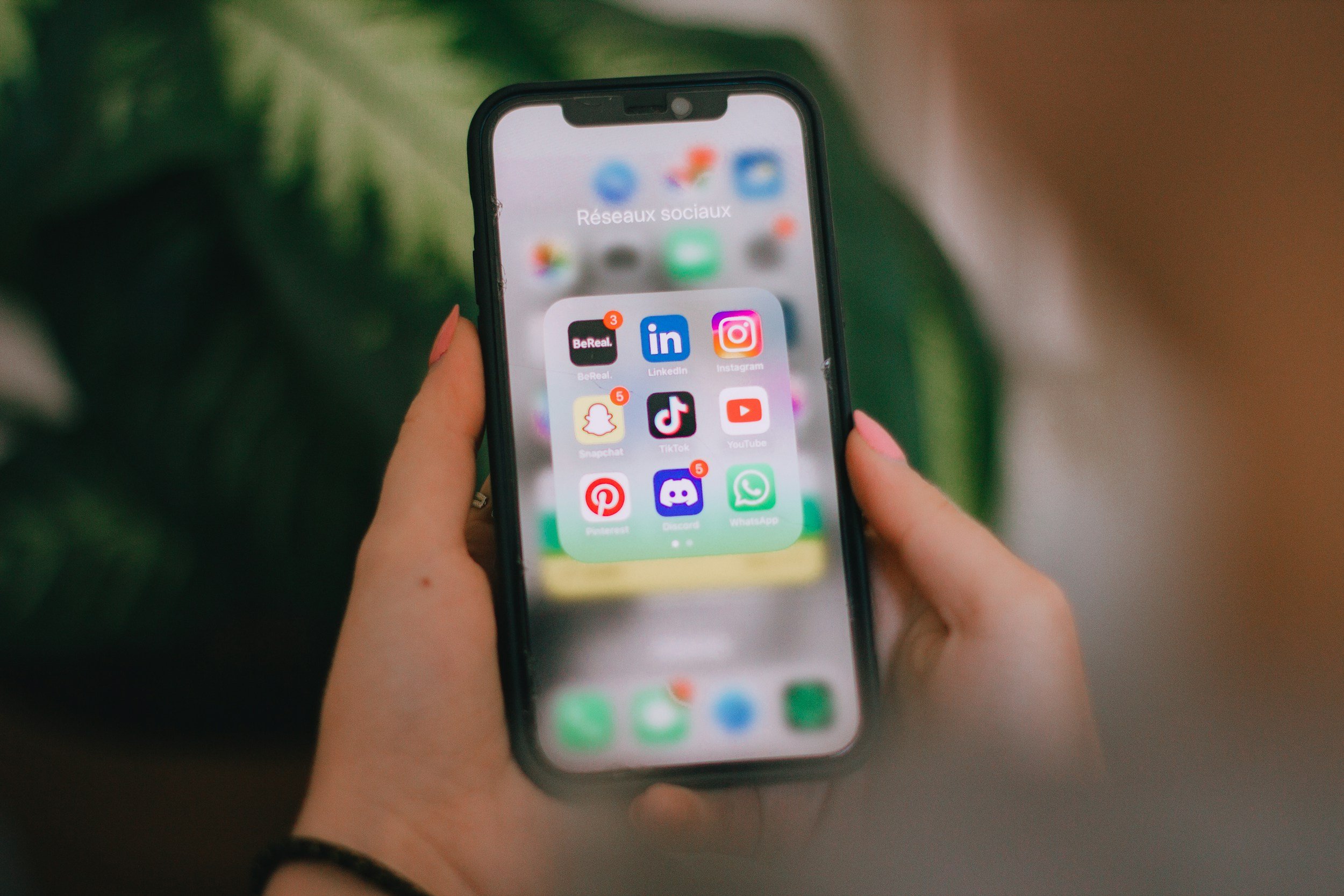
What about social media?
Social media is brilliant for building awareness and personality. It is not a substitute for a website, for a few important reasons.
– You don't own your social media presence. If the platform changes its algorithm, shuts down, or bans your account, your audience disappears overnight. Your website is yours.
– Social media isn't how people search for services. Someone looking for a plumber in Tunbridge Wells types that into Google. They don't scroll Instagram.
– A Facebook page doesn't give you the same credibility as a professional website. Right or wrong, people judge.
– Social content disappears. A well-written page on your website keeps ranking on Google for years.
The two work best together — social media to build relationships, a website to convert the interest into enquiries.
What a website actually does for a small business
A good small business website isn't a vanity project. It's working for you every hour of every day. Here's what it does:
– It shows up when someone local searches for what you do
– It answers the questions people have before they pick up the phone
– It gives potential customers a way to contact you at 11pm on a Sunday
– It builds trust before you've even spoken to someone
– It tells the story of your business in a way a Facebook page simply can't
That last point matters more than most business owners realise. People buy from people. A website is where you get to explain who you are, what you do, why you're good at it, and why they should choose you over the competition. No social media platform gives you that space.
The businesses that don't need a website (probably aren't reading this)
To be fair, there are exceptions. If you're at full capacity entirely through referrals, not looking to grow, and have no interest in being found by new customers — you can probably manage without one. But if you want to grow, attract better clients, charge more, or simply stop relying entirely on other people to send you work, a website changes things.
What kind of website do you actually need?
You don't need anything complicated. For most small businesses, a clean, professional five-page website — Home, About, Services, Gallery or Blog, Contact — is enough to make a real difference. It needs to load quickly, look good on a phone, and be set up so Google can understand what you do and where you're based.
That's it. Simple, done properly, is almost always better than complicated done cheaply.
Ready to find out what a website could do for your business?
If you've been putting it off, or you have a site that isn't doing the job it should, I'd love to have a conversation about it. No pressure, no jargon — just an honest chat about what would actually work for you.
Get a free, no-obligation consultation with Etch Lane.
Book your free consultation via the contact form— no obligation, no jargon, just an honest conversation.
This article was written with the assistance of AI.